Lake Worth: (561) 475-2121

How Do Hearing Aids Work?
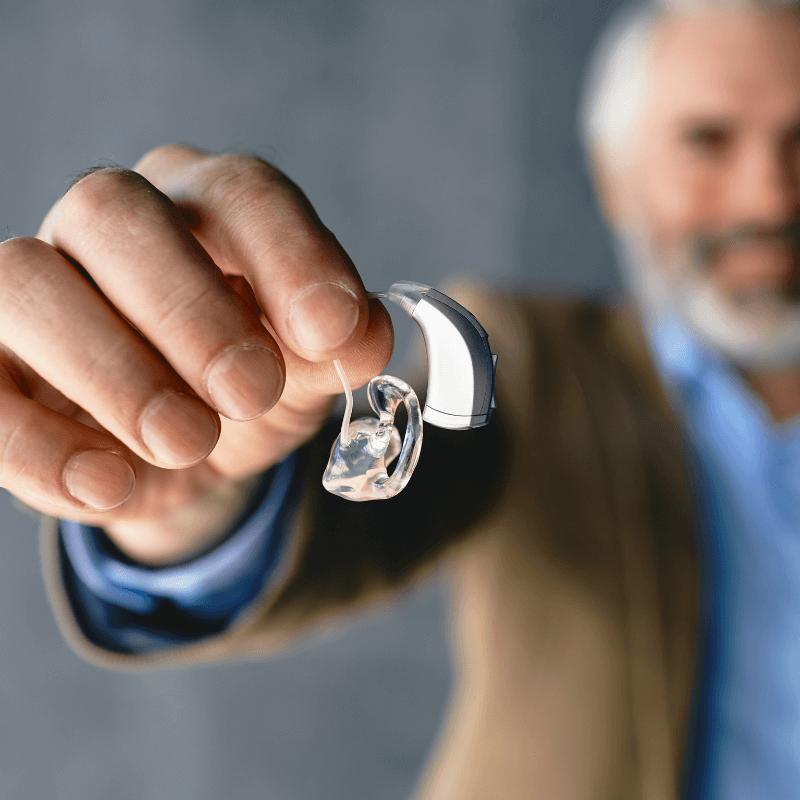
The human ear functions as an incredible sound processing system, capturing vibrations and transforming them into signals the brain can understand. When hearing loss occurs, this natural system needs assistance.
Modern hearing aids serve as sophisticated sound enhancement devices that help millions of people worldwide connect with sounds, conversations, and the world around them. These small but powerful tools work through a combination of physical and digital components to provide careful customization to match each person’s unique hearing needs.
Sound Amplification
Hearing aids operate on a fundamental principle: they take in sound, make it louder, and deliver it to the ear. This process begins with a microphone that picks up sound waves and converts them into electrical signals. These signals then move to an amplifier that increases their strength.
Next, a speaker (receiver) changes the amplified electrical signals back into sound waves. The amplified sound travels through the ear canal to the eardrum and inner ear. What makes modern devices special is their ability to process these signals digitally, allowing for precise control over which sounds get amplified and by how much.
Digital Processing Makes the Difference
Digital technology has transformed hearing aids from simple amplifiers into smart listening devices. Unlike older analog models that made all sounds louder equally, digital hearing aids contain tiny computers that analyze incoming sounds. These processors can identify speech amid background noise, adjust volume based on the listening environment, and even focus on sounds from specific directions.
The digital approach allows for sound filtering, making speech clearer while reducing unwanted noise. This selective amplification means conversations become easier to follow, even in challenging environments like restaurants or group gatherings.
Customization for Individual Hearing Needs
No two cases of hearing loss are exactly alike. Some people struggle with high-pitched sounds, while others have trouble with lower frequencies. Modern hearing aids address such difficulties through customized programming. When fitting hearing aids, professionals create personalized settings based on audiogram results that map exactly which sounds need boosting.
Many devices offer multiple listening programs for different situations: one for quiet conversations, another for noisy environments, and others for music or outdoor activities. This customization ensures that amplification happens precisely where each person needs it most.
Connectivity Features Enhance Functionality
Today’s hearing aids do much more than amplify sound. Many models connect wirelessly to smartphones, televisions, and other devices through Bluetooth technology. This connectivity allows direct audio streaming from phones during calls or from TVs while watching shows. Some hearing aids pair with smartphone apps that let users adjust settings without touching the device itself.
Other advanced features include rechargeable batteries that eliminate the need for tiny replacement batteries, telecoils that pick up signals from compatible sound systems in public spaces, and directional microphones that focus on sounds from specific directions.
The Future of Hearing Enhancement
Hearing technology continues to advance at a remarkable pace. Newer models incorporate artificial intelligence that learns from listening patterns and automatically adjusts settings based on user preferences. Some devices now include health-tracking features that monitor physical activity or detect falls.
Research points toward even more sophisticated sound processing in the future that will further separate speech from background noise. As these technologies progress, hearing aids become less visible while growing more powerful. The goal remains constant: to create natural listening experiences that help people participate fully in conversations and activities that matter most to them.
Maintaining Your Hearing Aids
Proper care extends the life and performance of hearing aids, so endeavor to clean your devices with a soft, dry cloth to remove earwax and debris that might block sound transmission. Most hearing aids come with specialized cleaning tools for reaching small openings and components. Ensure you attend regular maintenance checks with hearing health professionals, keep spare batteries handy, and properly dispose of used ones. While water-resistant models are becoming more common, protection from moisture remains important for preserving electronic components.
If you or someone close to you experiences hearing difficulties, consider scheduling a hearing assessment. Professional evaluation can determine the type and degree of hearing loss and whether hearing aids might help. With proper fitting and adjustment, modern hearing aids can significantly improve communication and quality of life.
